Homeowners facing leaks, missing shingles, or storm-related wear often wonder whether Big Spring roof repair is enough or if it’s time to replace the whole system. This decision matters because it affects your budget, your timeline, and how well your roof manages day-to-day weather exposure. If you’re trying to choose the most sensible path, the key is comparing the type of damage, how widespread it is, and whether you’re solving a one-time problem or chasing repeat issues. This guide is for property owners who want a clear, practical comparison, including typical scenarios where repairs make sense, when replacement is the smarter investment, and what to ask a contractor so you can make a confident call.
If you’d like to talk through options with a local contractor, you can review our roofing services in Big Spring, TX.
Bottom Line Upfront: Repair vs Replace
- Choose repair when damage is localized (a small leak area, a few shingles, limited flashing issues) and the rest of the roof is performing well.
- Choose replacement when problems are widespread, recurring, or tied to system-level issues (underlayment, ventilation, or multiple leak points).
- Repairs usually cost less upfront , but repeated repairs can add up if the underlying issue isn’t addressed.
- Replacement is more disruptive and higher cost, but it can simplify long-term maintenance when the roof is near the end of its service life.
- The best decision depends on evidence: inspection findings, number of problem areas, and whether water intrusion has affected decking or attic components.
Your Two Paths Explained: Targeted Fixes vs Full System Reset
Roof repair focuses on correcting specific failures, like damaged shingles, compromised flashing around penetrations, small punctures, or isolated leak sources. The goal is to restore performance without disturbing areas that are still sound.
Roof replacement removes the existing roofing materials (and sometimes addresses underlying components) to rebuild the roof system. This option is typically considered when the roof’s issues aren’t confined to one area, or when multiple components are no longer working together reliably.
Because roofs function as a system (covering, flashing, ventilation, and water-shedding details), your choice should be based on whether the problem is localized or systemic. A good evaluation looks beyond the visible surface to identify what’s driving the symptoms (staining, soft spots, granule loss, lifted edges, or recurring leaks).
How the Decision Impacts Budget, Disruption, and Risk
Both options can be reasonable, but the tradeoffs are different:
- Budget: Repairs tend to be the lower-cost entry point. Replacement is a larger project with more materials and labor, but may reduce the need for repeated fixes when the roof is broadly worn.
- Timeline and disruption: Repairs are often faster and less intrusive. Replacement typically requires more scheduling, staging, and cleanup.
- Risk of hidden damage: If a leak has been active for a while, moisture can affect decking or attic areas. In those cases, the “real” scope may be larger than what’s visible from the ground.
- Resale and planning: If you’re planning to sell or refinance, a roof with frequent patch history may raise questions. A replacement can simplify the story, though it’s not always necessary.
Side-by-Side Comparison: Repair vs Replacement
| Criteria | Roof Repair | Roof Replacement |
|---|---|---|
| Best fit for | Isolated damage; one or two clear leak sources | Widespread wear; multiple recurring issues |
| Upfront cost | Usually lower | Usually higher |
| Project scope | Targets specific areas (shingles, flashing, seal points) | Rebuilds the roof covering (and may address underlying components as needed) |
| Disruption | Typically less disruption | Typically more disruption |
| Long-term value | Strong when the rest of the roof is healthy | Strong when the roof is nearing end-of-life or has system-level issues |
| Risk | Higher risk of repeat calls if the root cause is missed | Lower risk of patchwork outcomes, but higher commitment |
When Repair Isn’t Enough: 7 Signs It’s Time to Replace
In Big Spring and across Howard County, these are the signs we look for when a repair won’t hold up:
- Your roof is 20 years old or more. In West Texas, most asphalt shingle roofs last about 15 to 20 years. By then the underlayment is often brittle, and any decking that got wet from past leaks may be soft, even when the shingles look fine from the street.
- Leaks keep coming back. One leak can be fixed. Leaks that return after every storm, or show up in more than one room, usually mean the damage runs under the shingles.
- Shingles are curling or missing across the roof. West Texas heat bakes shingles until the edges curl and crack. A few bad shingles can be replaced; curling across whole slopes means the roof is worn out.
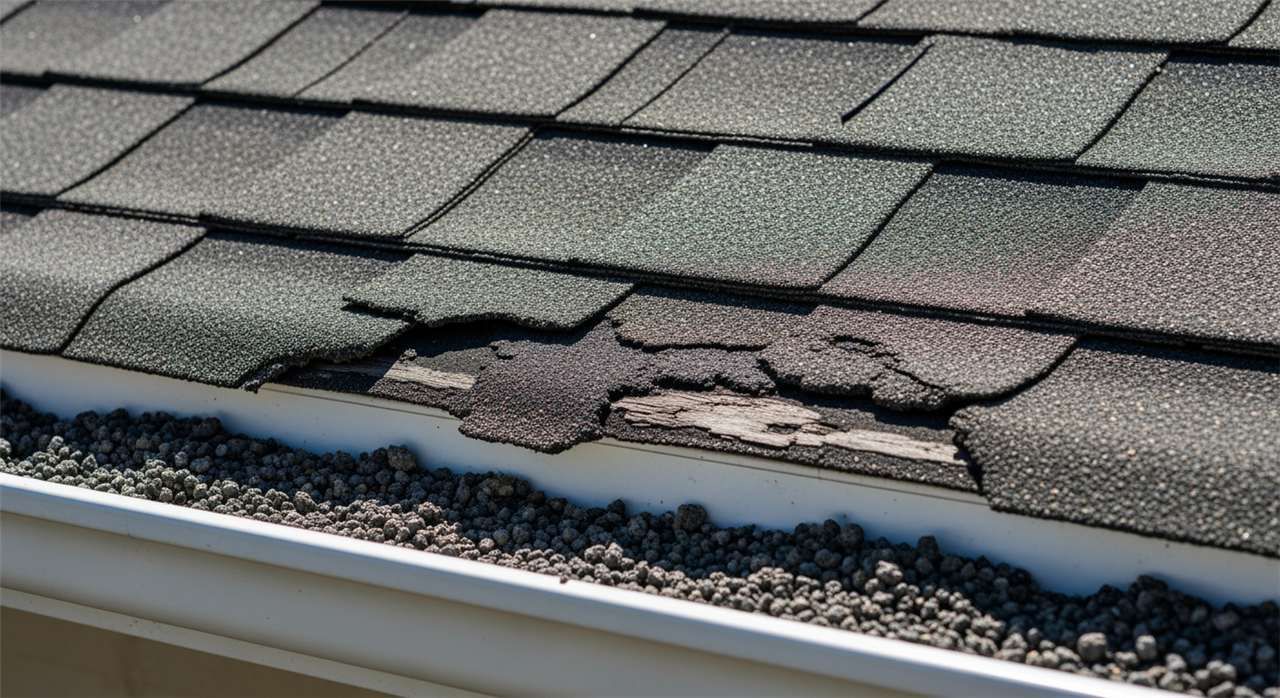
- There’s heavy granule loss. Some granules in the gutters are normal. Piles of them, or bare dark patches on the shingles, mean the shingles have lost their sun protection.
- The roofline sags. A dip or wave in the roofline can mean rotted decking or a structural problem. Call a roofer right away.
- Hail hit every slope. After a big hailstorm in Big Spring, bruised shingles, dented vents, and knocked-loose granules are often spread across the whole roof. Patching one area at a time won’t hold up.
- Cooling bills are climbing. Wet insulation and poor attic ventilation make your AC work harder. If your bills rise along with other signs on this list, the roof may be part of the problem.
If you’re seeing two or more of these, ask for a repair option and a replacement option side by side.
Mistakes That Can Cost You
- Only treating the symptom: Sealing a stain area without finding the actual entry point can lead to repeat leaks.
- Over-repairing an exhausted roof: Stacking multiple fixes on broadly worn materials can become expensive without improving overall reliability.
- Ignoring flashing and penetrations: Chimneys, vents, skylights, and wall transitions are common leak sources; skipping them leaves weak points.
- Not checking ventilation and moisture signs: Condensation and poor airflow can mimic leak symptoms and contribute to premature deterioration.
- Choosing by price alone: A low number isn’t helpful if the scope doesn’t address what’s actually failing.
- Delaying active leaks: Water intrusion can expand the repair area over time, especially if decking becomes affected.
A Smart Plan for Choosing the Right Option
- Document the problem areas: Note where you see staining, dripping, missing shingles, or debris, both inside and outside.
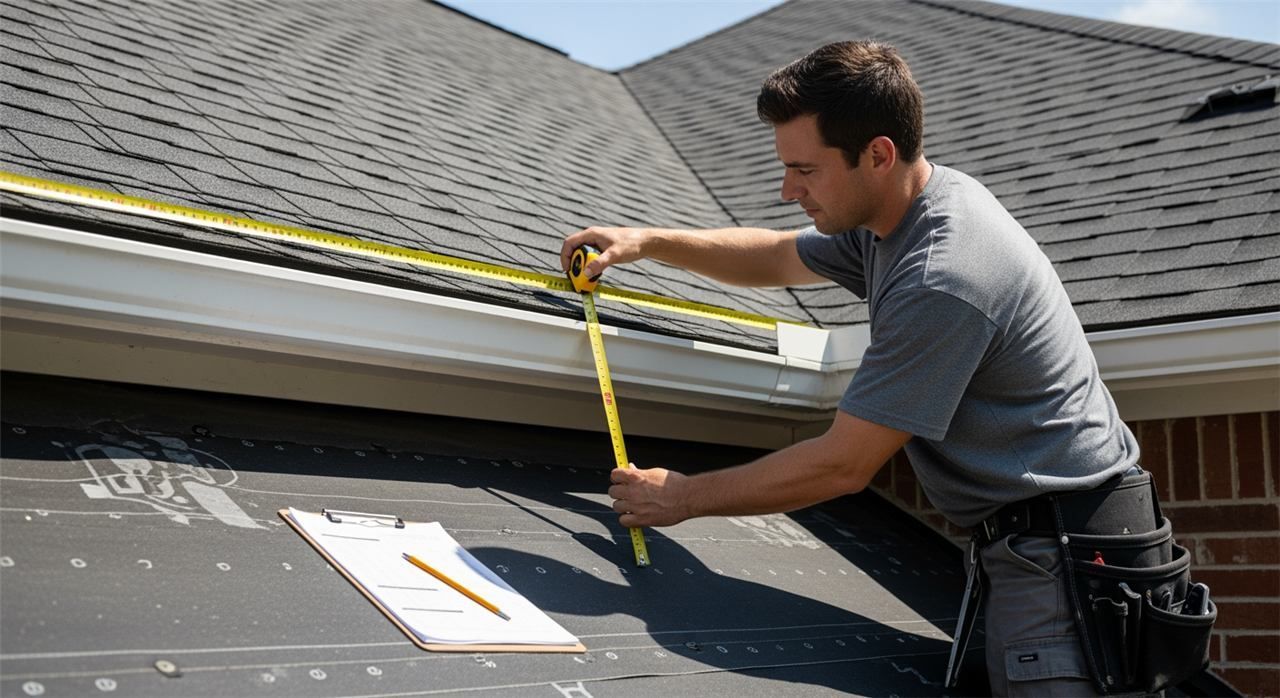
- Request a roof-system inspection: Ask the contractor to evaluate shingles/metal panels, flashing, penetrations, valleys, and attic signs of moisture.
- Ask whether the damage is localized or widespread: Get a clear explanation of what’s failing and why.
- Compare scopes, not just totals: Ensure proposals specify materials, affected areas, and what’s included (flashing, underlayment areas, ventilation adjustments if needed).
- Plan for timing: If you have an active leak, prioritize stopping water entry first, then decide whether repair or replacement is the longer-term solution.
- Get your options in writing: A repair option and a replacement option side-by-side makes tradeoffs easier to evaluate.
Professional Insight: The Pattern We See in Real Inspections
In practice, we often see homeowners assume the visible damage is the full story (like a few missing shingles) when the real issue is a flashing detail, a valley transition, or water traveling from a higher point before showing up indoors. A careful inspection that traces the water path typically makes the repair-vs-replace decision much clearer.
Clear Signs to Call a Roofer
- Active leaking: Water dripping, ceiling bubbling, or fresh stains should be evaluated quickly to limit additional damage.
- Multiple leak points: More than one interior stain or repeated leaks after prior fixes suggests a broader issue.
- Soft spots or sagging: These can indicate moisture impact to decking and should be assessed by a professional.
- Storm-related damage: If you suspect hail or wind damage, a contractor can document conditions and explain repairability.
- Complex roof details: Chimneys, skylights, steep slopes, and tile/metal transitions are higher-risk areas for DIY attempts.
Common Questions Answered
How do I know if a leak can be fixed without replacing everything?
If the leak source is identifiable and confined (for example, a flashing point or a small area of damaged covering), a targeted fix may be appropriate. An inspection should confirm whether nearby materials and decking are still sound.
Is it ever smarter to replace even if the damage looks small?
Sometimes, yes, especially when the roof has widespread wear, multiple past repairs, or recurring issues that suggest system-level deterioration. The deciding factor is whether a repair would meaningfully restore reliability or just postpone larger work.
What should a written estimate include for each option?
A solid estimate typically lists the exact work areas, materials (including flashing and underlayment where relevant), disposal/cleanup, and any assumptions about underlying conditions that could change scope once work begins.
Can I wait if the leak only happens during heavy rain?
Intermittent leaks can still cause damage over time. If you’re seeing staining or moisture, it’s usually worth getting it evaluated so you can understand the cause and the most cost-effective fix.
How do repairs and replacements differ for metal vs shingles?
Shingle issues often involve missing, torn, or lifted shingles and related flashing details. Metal systems may involve fasteners, seams, penetrations, or panel damage. The “repair vs replace” decision still depends on whether the problem is localized or widespread across the system.
Where to Go from Here
Repair makes sense when the damage is limited and the roof system is otherwise performing well. Replacement tends to be the better value when issues are widespread, recurring, or tied to multiple roof components. The most reliable way to choose is a roof-system inspection that identifies the root cause and compares scopes side-by-side. If you’re weighing options, getting two clear proposals (one for repair, one for replacement) can help you decide with confidence.
Get Your Free Estimate with Roofs by Nicholas
Roofs by Nicholas has repaired and replaced roofs across West Texas since 1988, and we’re an Owens Corning Platinum Preferred Contractor. We handle residential roofing repair and replacement, and local businesses trust us for commercial roofing. We can inspect your roof and give you a repair option and a replacement option side by side.
We’ve completed more than 30,000 roof projects across the Permian Basin, including in Big Spring. Schedule a free estimate or call 432-520-7348. Our phones are answered 24/7.
Learn more about our roof repair in Midland, TX service.
Schedule a Free Estimate