Summer Roof Leak Causes in Texas
Summer roof leaks can feel extra frustrating because they often show up when you least expect them: right after a quick downpour, during a run of hot afternoons, or when your AC is working overtime. If you’re a homeowner or property manager in Texas, understanding what typically causes warm-season leaking helps you respond faster, limit interior damage, and avoid repeating the same repair cycle. Summer conditions can stress roofing materials in different ways than winter: heat can expand components, UV can accelerate aging, and sudden storms can exploit small weak points. The good news is that many leak triggers are predictable once you know where to look and what to document before you call a roof repair company in Midland, TX.
How Summer Roof Leaks Typically Start
A roof “leak” is rarely a single problem. It’s usually a pathway: water enters at one point, travels along decking or framing, and shows up somewhere else (often far from the entry). In summer, that pathway is commonly created by a combination of heat stress and sudden water exposure.
Thermal movement: expansion and contraction
As roofing components heat up during the day and cool down at night, materials move. Over time, that movement can loosen fasteners, stress sealants, and widen tiny gaps at penetrations. When a storm hits, water can exploit those openings.
Storm-driven rain finding the weak spots
Wind can push rain sideways and upward. That means water doesn’t only flow “downhill.” It can be forced into laps, under flashing edges, and around penetrations if the details are compromised.
UV and heat accelerating wear
Sun exposure can dry out certain sealants and age roofing surfaces faster. If a roof already has minor deterioration, summer conditions can make it more noticeable, especially when the first heavy rain arrives.
The Most Common Summer Leak Sources
When you’re trying to pinpoint the cause, it helps to think in categories: penetrations, transitions, drainage, and “look-alikes.” Below are the frequent sources we see during warm weather and the clues they leave behind.
1) Flashing problems at chimneys and roof-to-wall areas
Flashing is the metal (or membrane) system that bridges joints where the roof meets something else. If flashing is bent, corroded, poorly sealed, or improperly lapped, water can slip behind it.
- Common signs: staining on ceilings near walls, damp drywall corners, bubbling paint near a chimney chase.
- Why summer makes it worse: sealants can crack with heat and movement, and wind-driven rain can hit these areas hard.
2) Plumbing vent boots and pipe penetrations
Vent boots (often rubber or synthetic) seal around plumbing pipes. Over time, they can crack, split, or pull away from the pipe, creating a direct entry point.
- Common signs: a leak that appears after rain and seems to align with bathrooms or laundry areas.
- Practical tip: from the attic, look for darkened wood or water tracks around pipe locations after a storm (only if it’s safe to enter).
3) Skylights and their perimeter seals
Skylights can leak from failed seals, flashing issues, or improper integration with the roofing system. Sometimes the skylight itself is fine, and the problem is how water is being directed around it.
- Common signs: staining around the skylight shaft, damp trim, dripping during wind-driven rain.
- Note: condensation can also occur at skylights, so moisture doesn’t always mean rain entry.
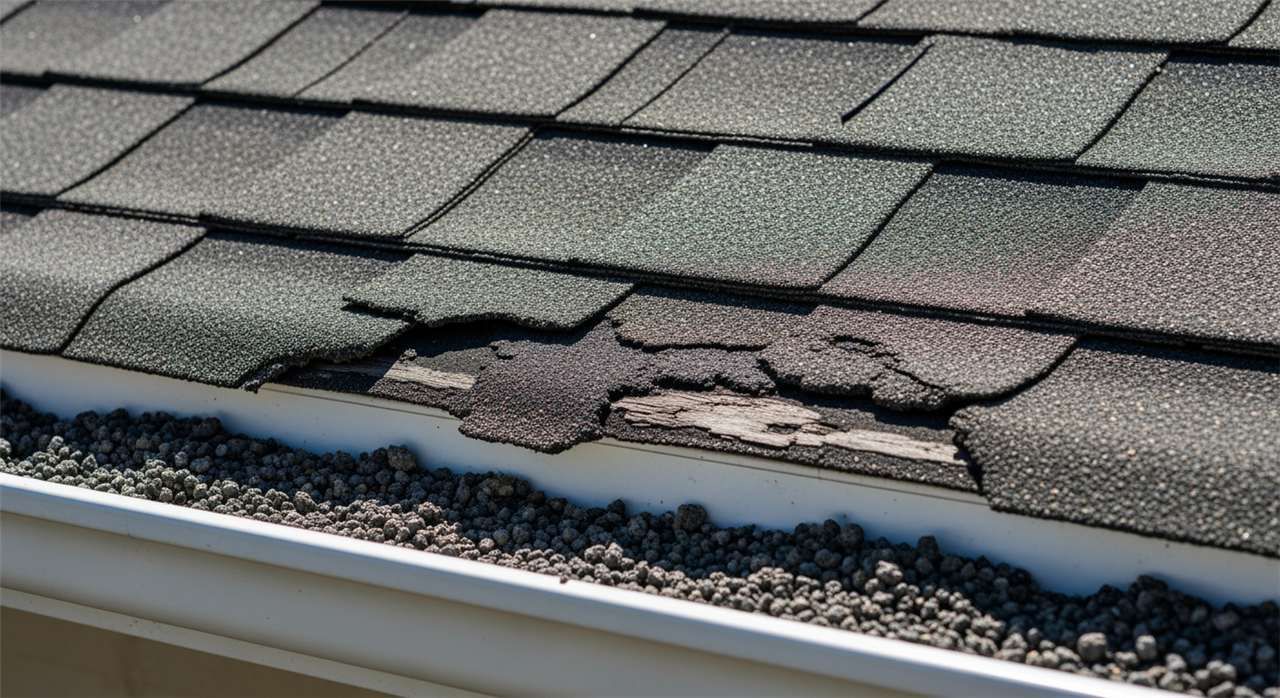
4) Nail pops, lifted shingles, and exposed fasteners
Small disruptions in the roof covering can allow water to get underneath. A lifted shingle edge or exposed fastener head can become a leak point during heavy rain.
- Common signs: intermittent leaks (only during certain storm directions), minor ceiling spots that slowly grow.
- Why it’s tricky: the visible stain indoors may be far from the real entry point.
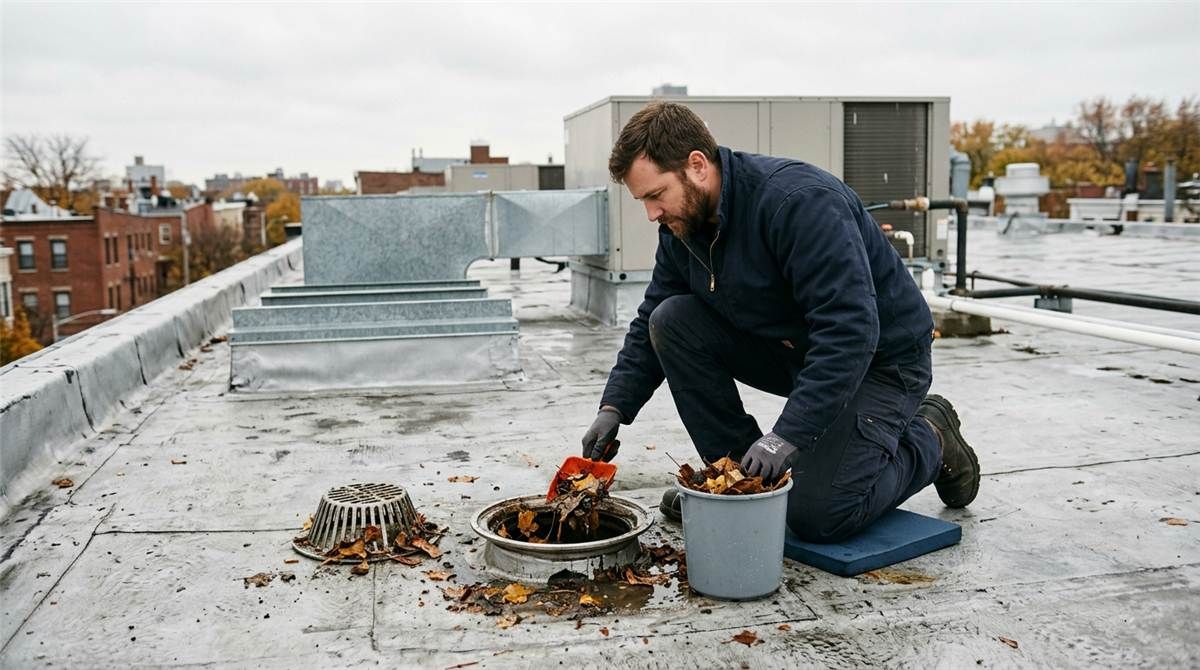
5) Clogged gutters, downspouts, and roof drains
Drainage problems don’t always look dramatic until water backs up. When water can’t exit efficiently, it can pool and work its way into edges, seams, and transitions.
- Common signs: water marks near exterior walls, overflow streaks, damp soffits, or leaks that happen during longer rains.
- Simple check: after rainfall, look for overflowing gutters or water spilling behind the gutter line.
6) Flat and low-slope roof seam failures (commercial and some residential)
On low-slope systems, seams, terminations, and penetrations are frequent weak points. Heat can stress adhesives and sealants, and standing water can test seam integrity.
- Common signs: leaks that show up after prolonged rain, wet insulation, or recurring interior ceiling tile staining.
7) “It’s not the roof”: AC condensate and attic moisture
In summer, many “roof leaks” turn out to be HVAC-related. Condensate line clogs, overflowing drain pans, or sweating ductwork can drip and stain ceilings.
- Common signs: dripping that happens even when it hasn’t rained, moisture near air handlers, or staining near supply registers.
- Quick differentiator: if the spot grows on dry, clear days, investigate HVAC and attic humidity sources.
Why Waiting Can Get Expensive
A small leak can stay “small” for a while, until it doesn’t. Water can spread along framing, soak insulation, and stain ceilings long before you see a steady drip. In practical terms, delays can increase the scope of work because you’re no longer just addressing the entry point; you may also be dealing with wet materials that need drying or replacement.
- Time impact: drying and remediation steps can extend the overall timeline.
- Budget impact: repairs may expand from a localized fix to interior restoration and insulation replacement.
- Comfort impact: wet insulation and attic moisture can affect indoor comfort and HVAC efficiency.
- Documentation impact: the longer you wait, the harder it can be to identify the original entry path.
A Smart Step-by-Step Plan to Handle a Warm-Weather Leak
- Contain interior water first: move valuables, place a bucket, and protect flooring to limit secondary damage.
- Document the symptoms: take photos of stains, drips, and any exterior observations; note wind direction and rain intensity if you remember it.
- Check for obvious HVAC-related sources: look for a full drain pan, clogged condensate line, or sweating ductwork (only if safely accessible).
- Inspect drainage from the ground: look for gutter overflow, disconnected downspouts, and water streaking behind gutters.
- Look for attic clues safely: after rain, check for wet decking, darkened wood, or water tracks near penetrations, and avoid stepping on drywall ceilings.
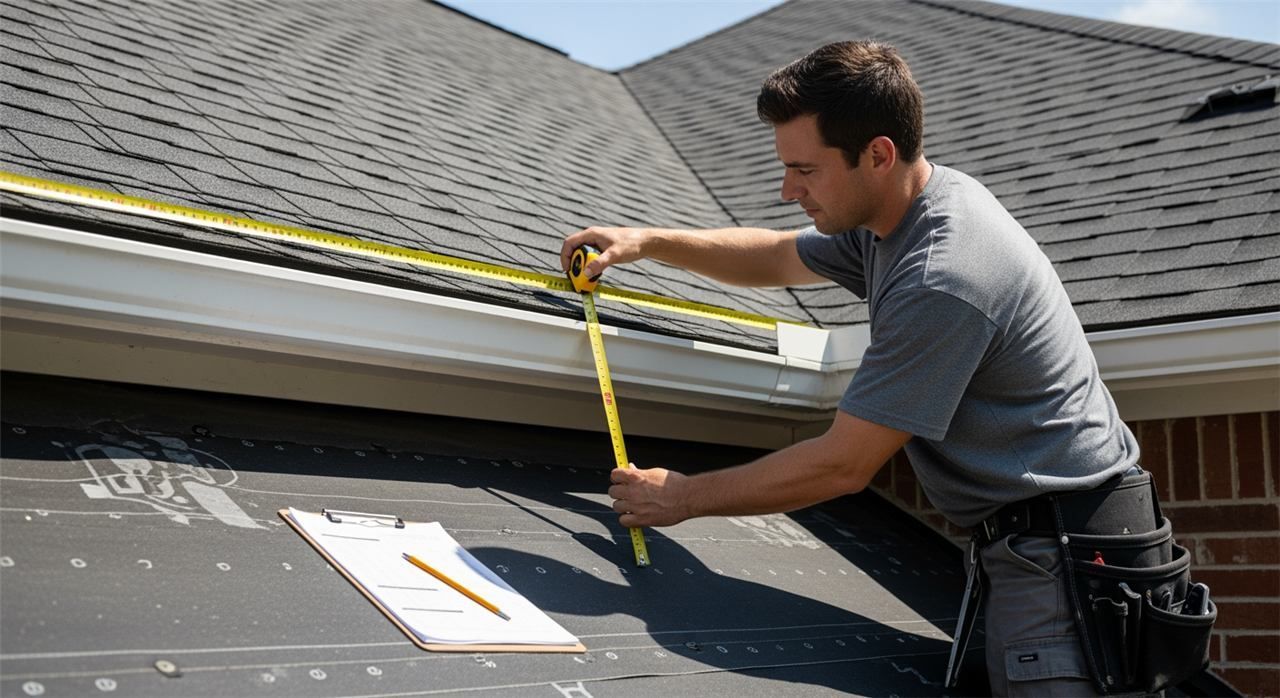
- Schedule a professional inspection: a targeted evaluation can identify the entry point and the correct repair detail.
- Ask for a repair scope you can understand: it should explain the source, the fix (flashing/boot/seam), and any follow-up checks.
When It’s Time to Call a Roofing Professional
- You see active dripping or spreading stains: that usually means water is still moving through the assembly.
- The leak returns after a “quick fix”: repeat leaking suggests the entry point wasn’t correctly identified.
- Multiple areas show moisture: this can indicate widespread drainage issues or several compromised penetrations.
- You suspect flashing or low-slope seam issues: these repairs are detail-sensitive and benefit from experienced installation methods.
- You’re unsure if it’s roof vs. HVAC: a coordinated evaluation can prevent spending money in the wrong place.
Frequently Asked Questions
Can a roof leak show up only during certain storms?
Yes. Wind direction and rain intensity can change how water hits flashing, penetrations, and shingle edges. That’s why some leaks appear only during specific conditions.
Why does a leak appear far from where the roof looks damaged?
Water can travel along decking, rafters, or insulation before it becomes visible on a ceiling. The interior spot is often a symptom, not the entry point.
How can I tell if the moisture is from air conditioning rather than rain?
If staining or dripping happens when it hasn’t rained, or it clusters near attic HVAC equipment, ductwork, or vents, condensate or humidity-related moisture may be involved.
Is it okay to tarp the area temporarily?
A properly secured tarp can help reduce water entry in the short term, but it’s not a substitute for correcting the underlying flashing, penetration, or drainage issue.
What information should I have ready for a roof inspection?
Share when you first noticed the issue, which rooms are affected, whether it happens only during rain, and any photos you took of stains, drips, or exterior areas.
Learn More About Our Services
Most summer leaks trace back to a handful of repeat offenders: flashing, penetrations, drainage, and moisture sources that only look like roof problems. If you document what you’re seeing, rule out obvious HVAC issues, and get the roof details inspected, you’ll be in a much better position to choose the right repair. Addressing the entry point early can also help limit the ripple effects on insulation and interior finishes. When you’re ready, a professional evaluation can turn a frustrating mystery stain into a clear plan.
Roofs by Nicholas has repaired and replaced roofs across West Texas since 1988, and we’re an Owens Corning Platinum Preferred Contractor. We handle residential roofing, commercial roofing, and hail and storm damage repair. We’ve completed more than 30,000 roof projects across the Permian Basin, including in Midland, Odessa, and Big Spring. Schedule a free estimate or call 432-520-7348. Our phones are answered 24/7.
Recent Posts