Roof Underlayment Basics for Texas Homes
Homeowners often hear roofers mention “underlayment,” but it can be hard to tell what it actually does, or whether it’s worth paying attention to during a repair or replacement. If you’re planning a roof project (or comparing estimates), understanding roof underlayment helps you make smarter choices about materials, installation details, and long-term maintenance. This guide is for beginners who want plain-English answers: what underlayment is, where it goes, and what questions to ask before work starts. During the summer months, it’s also common for people to schedule projects while the weather is more predictable, so having the basics down can save you time and back-and-forth.
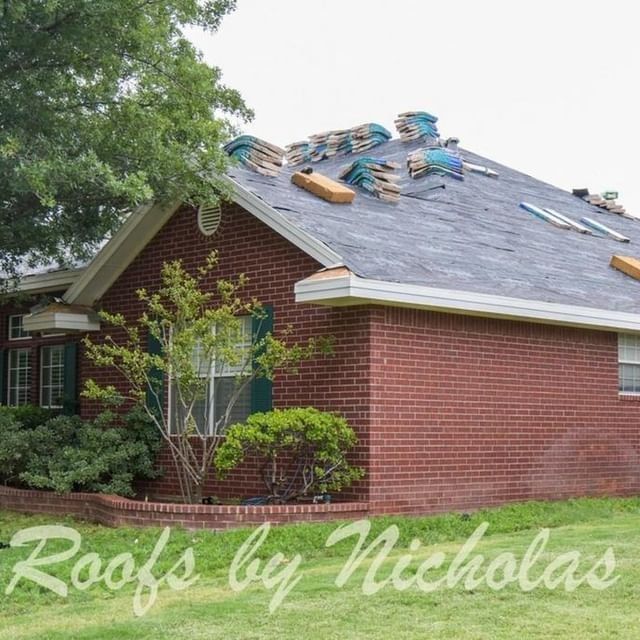
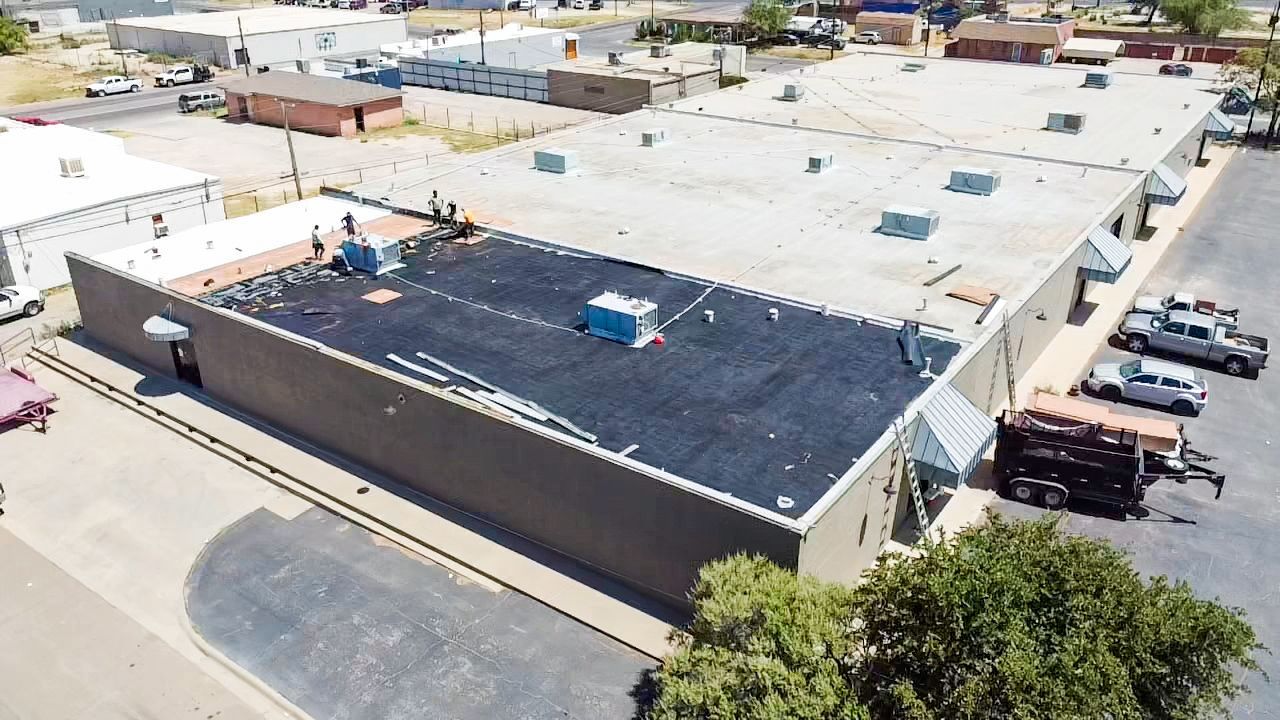
Think of underlayment as a protective layer installed between the roof deck (the wood surface) and the shingles or metal panels. It’s not the “pretty” part of your roof, but it can play an important supporting role when wind-driven rain, minor leaks, or condensation show up.
If you’re comparing options for roof underlayment in Midland, TX, it helps to know what types exist and what details in an estimate actually matter (like where ice-and-water style membranes are used, and how seams are sealed).
How Roof Underlayment Fits Into a Roof Installation
Underlayment is installed after the roof deck is prepared and before the final roofing material goes on. Here’s the basic idea:
- Roof deck: The wood surface (often plywood or OSB) that everything attaches to.
- Underlayment layer: Rolled sheets or membranes that cover the deck to help manage moisture.
- Flashing and accessories: Metal and sealing components around chimneys, walls, valleys, and pipe penetrations.
- Roof covering: Shingles, metal panels, or other materials that take the brunt of sun, wind, and rain.
There are a few common underlayment categories you might see on an estimate:
- Felt (asphalt-saturated) underlayment: A traditional option that comes in rolls. It’s familiar and widely used, but can be more prone to wrinkling or tearing if it gets wet during installation.
- Synthetic underlayment: Typically lighter and more tear-resistant than felt. Many products also offer better walkability for installers, which can help during installation.
- Peel-and-stick membrane: A self-adhering layer often used in targeted areas where water intrusion risk is higher (for example, certain edges, valleys, or around penetrations). It’s usually not necessary to blanket every roof with it. Placement should match the roof design and risk points.
Because roof designs and building code requirements can vary, it’s smart to ask your contractor what they recommend for your roof’s slope, penetrations, and drainage paths, and why.
Why This Layer Can Affect Cost, Comfort, and Repairs
Underlayment choices can influence more than just the line item on an estimate. Practical impacts can include:
- Budget: Higher-grade materials and added membranes in valleys/eaves can increase material and labor costs.
- Leak risk management: Underlayment may help limit moisture reaching the deck if wind-driven rain gets past the roof covering, but it won’t “fix” poor flashing or incorrect shingle/panel installation.
- Project timeline: Some products are easier to install cleanly; others require extra detailing at seams and transitions.
- Future repairs: If the deck gets wet repeatedly, it can lead to wood damage that’s more involved to address than a surface-level repair.
A Smart Homeowner’s Action Plan Before Installation
- Ask what type will be used and where: Request a simple explanation of which areas get standard sheets vs. self-adhering membrane.
- Confirm the roof deck plan: Ask how damaged decking is identified and handled if found during tear-off.
- Review penetrations and transitions: Make sure skylights, vents, chimneys, and valleys are explicitly addressed in the scope.
- Request the product name (or spec level): This helps you compare estimates apples-to-apples.
- Keep photos and paperwork: Save your estimate, material notes, and any jobsite photos you receive for future reference.
When It’s Time to Call a Roofer
Underlayment decisions are usually easiest with professional input when any of the following apply:
- You’ve had recurring leaks and the source isn’t obvious from the attic or ceiling.
- Your roof has multiple penetrations (skylights, solar mounts, plumbing vents) or complex valleys.
- You’re changing roof type (for example, moving from shingles to metal) and need compatibility guidance.
- The roof deck may be compromised (soft spots, sagging, or visible water staining in the attic).
- You want estimate clarity on what materials and detailing are included before signing.
Common Questions Homeowners Ask
Is underlayment required for every roof?
Most roof systems include a layer between the deck and the roof covering, but exact requirements depend on the roof type, slope, and applicable building codes. A contractor can explain what’s typical for your specific roof design.
What’s the difference between felt and synthetic sheets?
Felt is a traditional asphalt-based product, while synthetic options are engineered materials that are often lighter and more tear-resistant. The best fit depends on the roof system and how the product is installed and detailed.
Does a peel-and-stick membrane go on the entire roof?
Not always. It’s commonly used in specific higher-risk areas (like valleys or around penetrations). Whether full coverage is appropriate depends on the roof’s design and the installer’s plan for moisture management.
Can this layer stop leaks by itself?
It can help as a secondary barrier, but it isn’t a cure-all. Proper flashing, ventilation, and correctly installed shingles or panels are still critical to preventing leaks.
What should I look for in an estimate related to this layer?
Look for the product type (or grade), where specialty membranes will be used, and whether key areas like valleys and penetrations are included in the scope. If it’s vague, ask for clarification in writing.
Moving Forward with Roofs by Nicholas
Underlayment is one of the most important “behind-the-scenes” parts of a roof system, and understanding it helps you compare bids and ask better questions. Focus on the type of material, where it’s installed, and how it connects to flashing and roof transitions. If anything in your scope is unclear, getting a straightforward explanation up front can prevent confusion later. Roofs by Nicholas can help!
Roofs by Nicholas has installed and replaced roofs across West Texas since 1988, and we’re an Owens Corning Platinum Preferred Contractor. We handle residential roofing, shingle roofing, and metal roofing. We’ve completed more than 30,000 roof projects across the Permian Basin, including in Midland, Odessa, and Big Spring. Schedule a free estimate or call 432-520-7348. Our phones are answered 24/7.
Recent Posts