Fall Roof Inspection Tips for Texas
Fall is a smart time to check your roof for small problems that can turn into bigger repairs once colder weather and shorter days make projects harder to schedule. A fall roof inspection in West Texas helps homeowners and property managers spot wear from summer heat, wind, and debris before leaks show up inside. If you’re responsible for a home or building in Texas, this seasonal check is about protecting interiors, keeping drainage working, and planning repairs while conditions are usually more workable. The goal isn’t to hunt for perfection. It’s to identify changes (loose materials, clogged gutters, failing sealant) and decide what needs attention now versus what can be monitored. You can do a basic visual review safely from the ground, then bring in a professional for anything that requires walking the roof or handling flashing, penetrations, or suspected storm damage.
The Essentials for a Fall Check
- Start with a ground-level scan: Look for missing, curled, cracked, or sliding shingles; metal panel movement; and obvious debris buildup.
- Focus on water pathways: Gutters, downspouts, valleys, and roof-to-wall transitions are common trouble spots.
- Inspect roof penetrations: Plumbing vents, skylights, and exhausts rely on flashing and sealants that can dry out or separate.
- Check the attic or top-floor ceilings: Stains, musty odors, or damp insulation can be early signs of a leak.
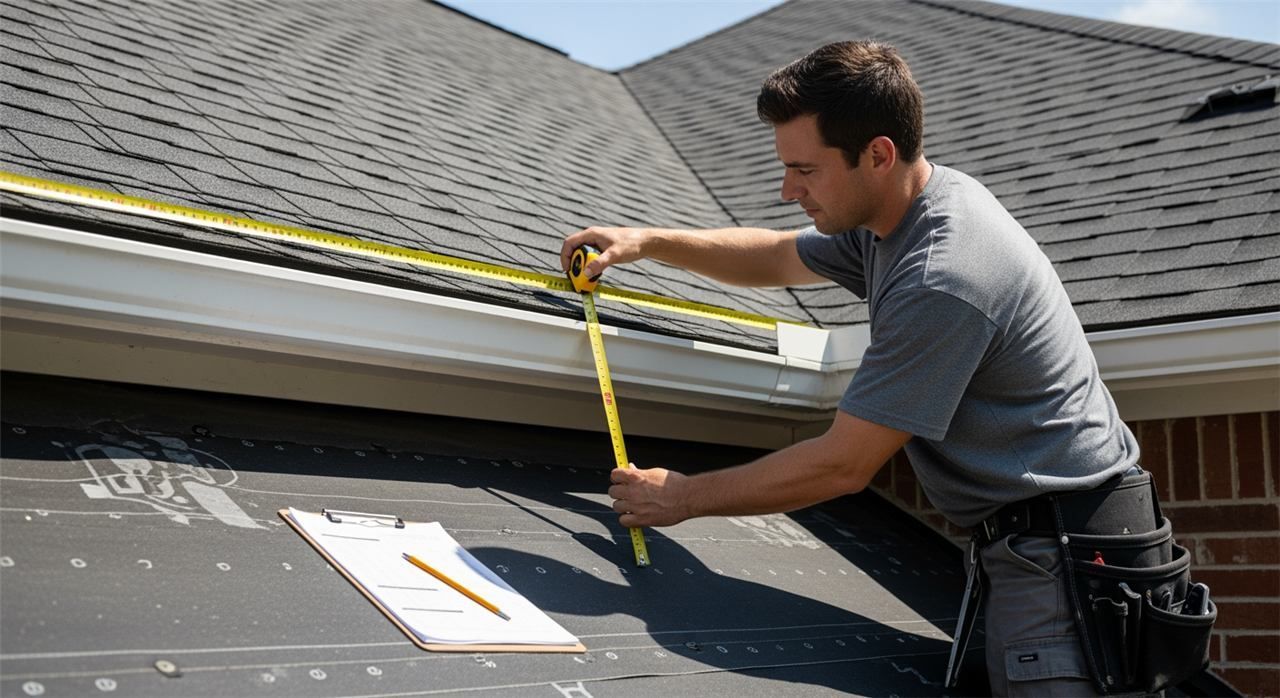
- Document what you see: Photos and notes help you track changes and communicate clearly with a contractor.
- Address safety first: If you can’t inspect without climbing, consider scheduling a professional evaluation.
How a Fall Roof Inspection Actually Works
A seasonal roof inspection is a systematic look at the surfaces and the “details” that manage water. Most issues aren’t dramatic. Many start as small openings around flashing, fasteners, or sealant lines that allow moisture in during the right conditions.
Here’s what a thorough inspection typically covers:
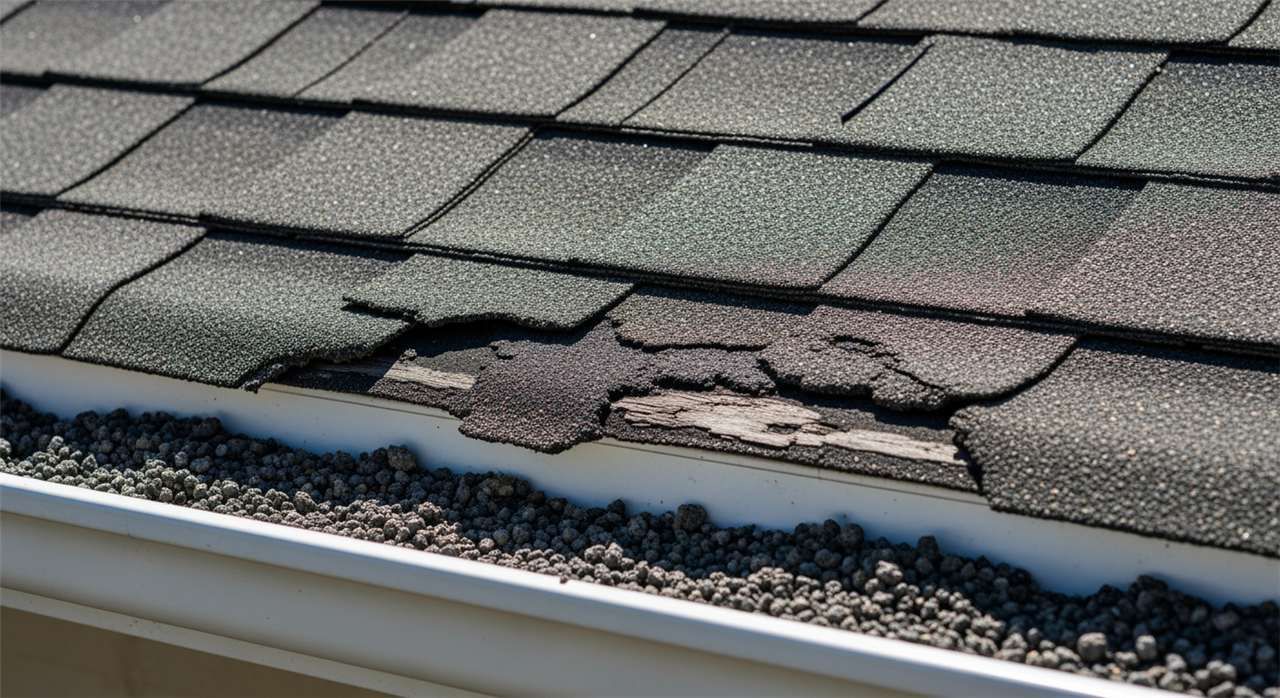
- Roof covering: Shingles, tiles, metal panels, or membrane surfaces are checked for damage, displacement, granule loss, punctures, and exposed fasteners. Example: on asphalt shingles, “granule loss” often shows up as bald-looking patches where the surface looks darker/smoother than surrounding shingles, plus a noticeable amount of sand-like granules collecting at downspout outlets.
- Flashing and transitions: Valleys, chimneys, sidewalls, headwalls, and step flashing are reviewed because they handle concentrated water flow. Example: look for lifted edges, gaps at seams, missing kickout flashing where a roof meets a wall, or sealant that’s cracked and pulling away.
- Penetrations: Vent boots, pipe collars, skylight curbs, and exhaust penetrations are checked for cracked rubber, gaps, or deteriorated sealant. Example: a vent boot with splits or a collar that no longer sits tight to the pipe can funnel water straight into the attic during wind-driven rain.
- Drainage: Gutters and downspouts are evaluated for clogs, slope issues, loose hangers, and overflow staining. Example: dark streaks on fascia/soffit, peeling paint, or algae lines below the gutter lip commonly indicate repeated overflow or standing water in that section.
- Interior indicators: Attic ventilation, moisture staining, and insulation condition can reveal problems that aren’t visible outside. Example: rusted nail tips, dark rings on decking, or compressed/wet insulation are stronger leak clues than an old, dry stain.
If you’re doing a DIY review, keep it to what you can see safely from the ground (binoculars help) and from inside the attic. Walking the roof can be risky and can also damage materials if you’re not trained on where and how to step.
Why Timing Matters Before Colder Months
Waiting can change a manageable repair into a bigger project. Water intrusion may start small, but moisture can impact decking, insulation, and interior finishes. Even if you don’t see a ceiling stain yet, slow leaks can show up later as odors, bubbling paint, or warped materials.
Seasonal implications to keep in mind:
- Scheduling: Contractors can book up as homeowners try to wrap up projects before winter.
- Material performance: Some sealants and adhesives have temperature and surface-condition requirements for best results.
- Drainage load: Falling leaves and windblown debris can clog gutters and valleys, increasing overflow risk.
- Energy comfort: Attic ventilation and insulation issues can affect indoor comfort as temperatures shift.
Common Fall Inspection Mistakes
- Skipping the attic check: Interior moisture clues can appear before exterior damage is obvious.
- Only looking at shingles: Flashing, valleys, and penetrations are frequent leak sources.
- Cleaning gutters but ignoring downspouts: A clear gutter doesn’t help if the downspout is clogged or disconnected.
- Sealing everything with caulk: Random caulking can trap water or mask a flashing problem that needs proper repair.
- Walking the roof without a plan: It’s a safety risk and can crack tiles, scuff coatings, or loosen shingles.
- Not taking photos: Without documentation, it’s harder to compare changes or explain what you saw.
Your Fall Prep Action Plan
- Do a perimeter walk: Look for sagging lines, uneven edges, debris piles, and visible damage from the ground.
- Check gutters and downspouts: Remove leaves, verify water flows freely, and confirm downspouts discharge away from the foundation.
- Inspect penetrations from below: In the attic, look for daylight around vents, damp wood, or staining near skylights and chimneys.
- Look at roof transitions: Pay attention to valleys and roof-to-wall areas where water concentrates.
- Trim back overhanging branches: Reduce scraping, debris drop, and the chance of limb impact (confirm local trimming rules and safe clearances).
- Create a “watch list”: Note any areas to re-check after heavy rain or strong wind.
- Schedule repairs early: If you see active leaking, missing materials, or damaged flashing, plan a professional assessment.
Professional Insight: The Small Detail That Causes Big Leaks
Leaks commonly originate at transitions (places where the roof meets a wall, a chimney, or a vent) rather than the main field of shingles or panels. Those areas handle concentrated water flow and movement, so a small gap in flashing or a deteriorated boot can matter more than a wide area of “normal” wear. During your fall check, prioritize close-up evaluation of step flashing, counterflashing, valley metal, pipe boots, and any sealant lines at penetrations.
Common Questions Answered
How often should I have my roof checked?
Many owners schedule a professional evaluation at least once a year and after major storms. Your roof type, age, and surrounding trees can change what’s appropriate.
What can I safely inspect without getting on the roof?
You can check for visible damage from the ground, look for granules near downspouts, confirm gutters are flowing, and scan the attic for stains, odors, or damp insulation. If you see a concentrated pile of granules at one downspout or a clearly “bald” shingle area from binoculars, add it to your watch list and re-check after the next heavy rain.
Do clogged gutters really affect the roof?
Yes. Overflow and standing water can increase the chance of moisture getting into vulnerable edges and transitions, and it can also create staining and rot risks over time. If you see overflow staining (dark streaks on fascia/soffit or water lines on the gutter face), that section likely needs attention even if the gutter looks “mostly clear.”
Is a small ceiling stain always a roof leak?
Not always. It can come from roof leaks, plumbing, HVAC condensation, or other moisture sources. An inspection helps narrow down the cause. If the stain is new, feels damp, or expands after rain, treat it as urgent.
What should I do if I suspect storm damage?
Take clear photos from the ground, note the areas of concern, and arrange a professional assessment. Avoid climbing onto the roof if conditions or access feel unsafe. If you have the storm date, save it with your photos and notes so you can match damage to a specific weather event.
Book Your Consultation with Roofs by Nicholas
A seasonal roof check is about catching changes early, keeping drainage moving, and planning repairs before minor issues spread. Start with a safe visual review, document what you see, and prioritize anything involving flashing, penetrations, or interior moisture signs. For Texas properties, also keep these fall-specific factors in mind:
- Hail and wind history: Many parts of Texas see hail and strong straight-line winds. After any notable storm, look for displaced shingles, dented metal components (vents, gutters, flashing), and fresh granule accumulation at downspouts.
- Extreme heat after-effects: Long, hot summers can accelerate cracking and shrinkage in sealants and rubber boots. In fall, check for dried, split caulk lines and brittle vent boot rubber, especially on south- and west-facing slopes that take the most sun.
- Tree debris patterns: Live oaks and other common Texas trees can drop leaves and small branches well into fall. Valleys and behind chimneys are frequent collection points; debris dams there can push water under shingles or into flashing seams.
- Common Texas roof materials: Asphalt shingles and metal roofing are widely used across the state. Shingles benefit from close attention to granule loss and lifted edges, while metal roofs should be checked for backed-out fasteners, loose trim, and sealant separation at laps and penetrations.
If you want a professional opinion and clear communication about what’s urgent versus what can wait, Roofs by Nicholas can help you plan your next steps. For the spring version of this routine, see our spring roof maintenance checklist for Texas.
Roofs by Nicholas has inspected and repaired roofs across West Texas since 1988, and we’re an Owens Corning Platinum Preferred Contractor. We handle residential roofing, commercial roofing, and hail and storm damage repair. We’ve completed more than 30,000 roof projects across the Permian Basin, including in Midland, Odessa, and Big Spring. Schedule a free estimate or call 432-520-7348. Our phones are answered 24/7.
Schedule an inspection or consultation with our team.
Recent Posts